
Welcome, fellow adventurers, to Africa’s wild heart! At Highborn Safari Adventures, we believe witnessing the majestic wildlife of the African bush is an unparalleled experience. Capturing these incredible moments through your camera lens allows memories to endure a lifetime. Master our top 10 wildlife photography tips, and you’ll reap significant rewards on your safari.
We’ve distilled the wisdom of expert wildlife photographers into these top 10 tips. This essential guidance will help every enthusiast acquire those truly unforgettable shots. Prepare to unleash your inner shutterbug and fill your memory cards with African magic, beautifully preserving every moment!
Preparing for Photographic Success
Embarking on a photographic safari presents unique challenges and unparalleled opportunities. Equip yourself with the best advice – these top 10 tips are a cornerstone of your preparation. Let’s delve into each crucial piece of guidance.
Tip 1: Your Lens is Your Safari Superpower (Invest Here First!)
Forget chasing the latest camera body; invest significantly in your lens. A high-quality lens gathers more light, producing sharper, more detailed images. This is critical for wildlife photography, where you might encounter subjects at great distances or in challenging light. Simply put, your glass quality profoundly impacts the final image.
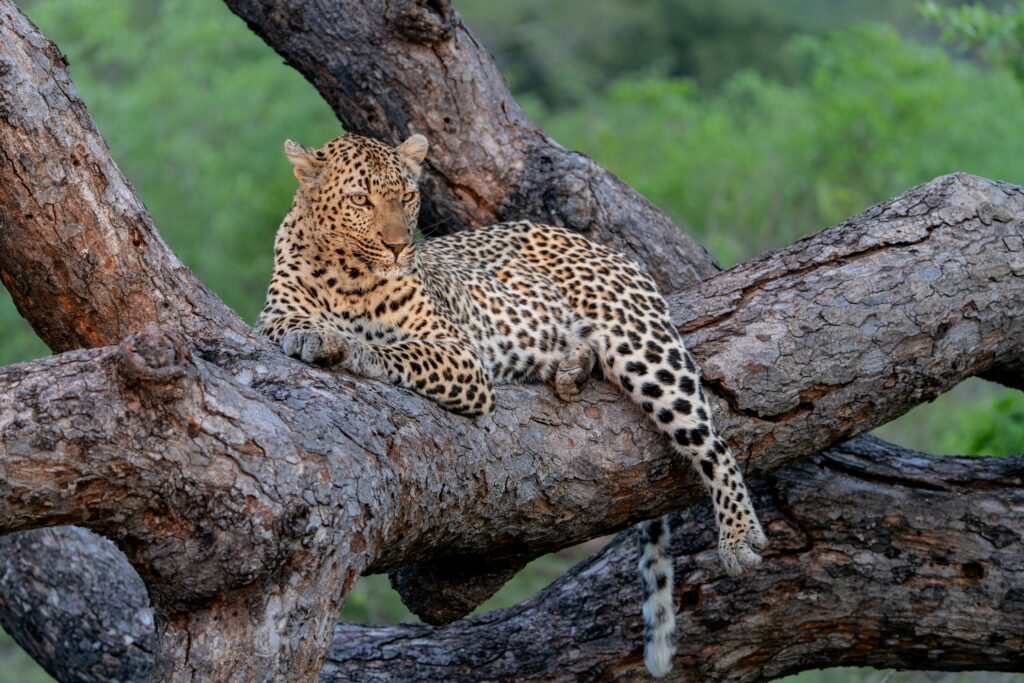
Highborn Safari Example: Imagine our guide spots an elusive leopard high in a distant tree. Your powerful zoom lens (e.g., a 500mm or 600mm) can capture every intricate detail of its spotted coat and piercing eyes, even from a respectful distance. This type of lens brings distant subjects into sharp focus without disturbing the animal’s natural calm. Furthermore, a lens with a wide maximum aperture (a smaller f-number) excels in the low light of dawn or dusk, when many animals are most active. Photographers often choose a versatile 150-600mm zoom lens on safari because it covers a broad range of focal lengths, allowing for both environmental shots and tighter portraits. This makes it a vital component of our top 10 tips.
Tip 2: The Crop Sensor Camera: A Smart Choice for Extra Reach
For aspiring wildlife photographers, a camera with a “crop sensor” (APSC or Micro Four Thirds) offers a distinct advantage. It provides extra “reach” or “zoom” without needing a physically longer (and often more expensive) lens. These cameras effectively multiply your lens’s focal length, bringing distant subjects even closer.
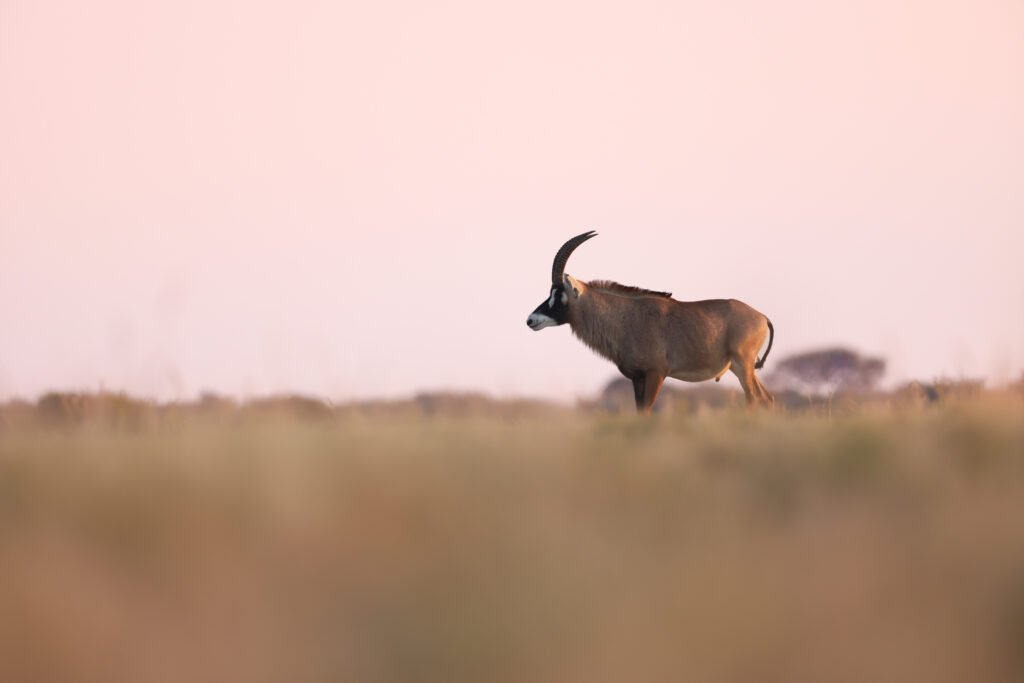
Highborn Safari Example: The inherent “crop factor” means a 300mm lens on a crop sensor camera might give the equivalent view of a 450mm lens on a full-frame camera. This increased magnification helps you get “closer” to elusive small birds or shy antelope, like the graceful roan, without investing in larger, heavier telephoto lenses. For many safari adventurers, a crop sensor camera offers excellent value and capability, allowing impressive results without breaking the bank. This makes them a key recommendation in our practical gear tips.
Tip 3: Fast Autofocus: Crucial for Dynamic Scenes
Wildlife rarely stays still; it moves unpredictably and often swiftly. Therefore, a camera with a lightning-fast autofocus system is non-negotiable for sharp images. A sophisticated system allows your camera to quickly lock onto your subject and maintain focus with remarkable precision, even with rapid or erratic movement.
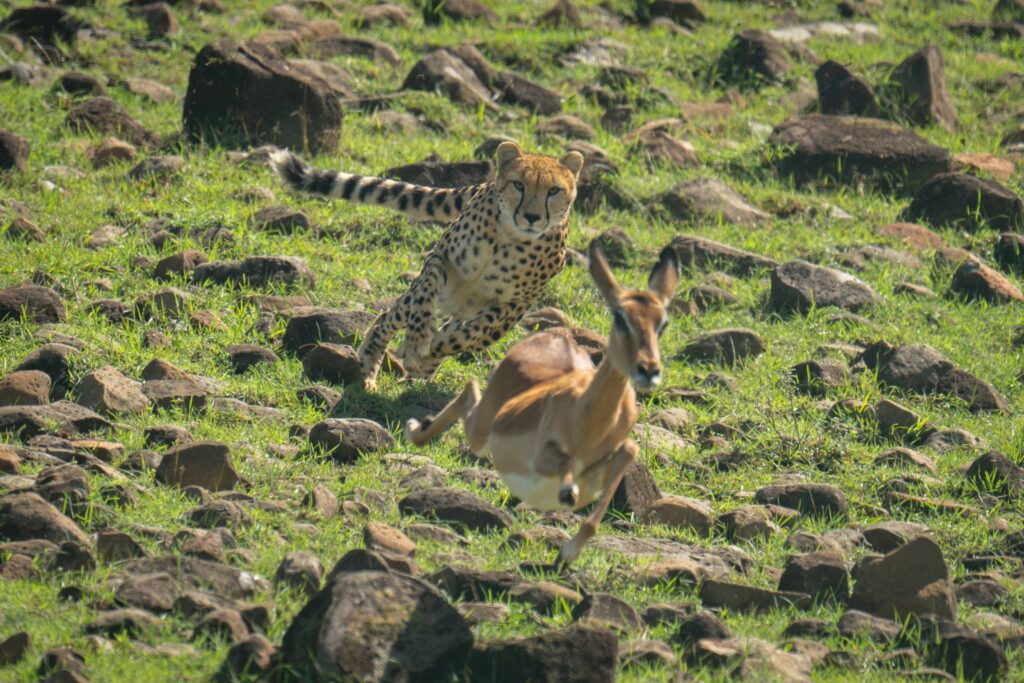
Highborn Safari Example: Picture this: a cheetah bursts into a sprint pursuing an impala. A fast autofocus system locks onto the cheetah, ensuring your action shots are crystal clear, capturing every muscle flex and dust particle. Similarly, when a majestic eagle swoops down to snatch prey, rapid, accurate focusing is critical. Without this capability, you might miss many thrilling encounters. This makes fast autofocus one of the crucial top 10 tips for action photography.
Tip 4: High Frame Rate (FPS): Capture Peak Action
The “frame rate” (FPS) refers to how many pictures your camera can capture per second. A higher number increases your chances of capturing that perfect, fleeting moment – “the shot.”
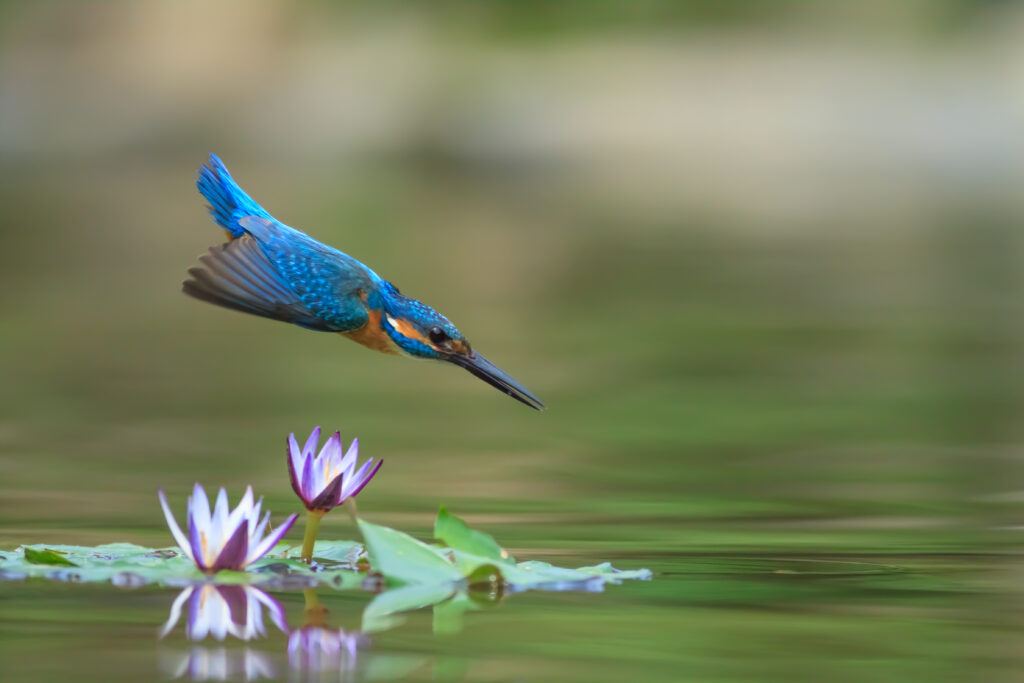
Highborn Safari Example: A kingfisher dives into a river, a lion yawns, or wildebeest kick up dust during the Great Migration – these actions happen in a blink. A camera with a fast frame rate (e.g., 10-15 FPS) significantly improves your odds of getting that “peak action” shot, where the subject is perfectly positioned. You can record even subtle movements or rapid sequences and later select the most impactful image. This technical aspect is vital among our top 10 tips.
Tip 5: Fast Shutter Speed: Essential for Freezing Motion
This setting is perhaps most critical for freezing movement and preventing blur in your photos. A fast shutter speed ensures your subject isn’t blurred, whether running, flying, or simply twitching its nose, delivering crisp results.
Highborn Safari Example: To sharply capture a thundering buffalo herd, you’d need a shutter speed of at least 1/1000th of a second. For an eagle soaring overhead or a tiny bee-eater flitting by, 1/2000th or even 1/2500th might be necessary to freeze their wings mid-flap, revealing intricate feather details. Dynamically understanding and adjusting shutter speed is a cornerstone of effective safari photography. Always consider light conditions; you need enough light for fast speeds without underexposing your images.

Tip 6: Use Autofocus Continuous (AFC/Servo Mode) for Tracking
Your camera shouldn’t just focus once and stop. For moving animals, your camera needs to constantly re-focus as the subject’s distance changes. This continuous tracking ability is vital.
Highborn Safari Example: If we track a lion pride moving through tall grass, set your camera to Autofocus Continuous (Canon’s “AI Servo” or Nikon’s “AF-C”). This ensures every shot in your sequence remains sharp, even as the distance to the lions varies. This mode anticipates movement, keeping the focus precisely on your subject. When photographing a bird in flight, this continuous focusing becomes indispensable. Mastering this technique is one of the pivotal top 10 tips.

Tip 7: Utilize the Magic of Morning & Evening Light
Early mornings and late afternoons on safari are not just periods of high animal activity; the light is divine! The low sun casts a soft, warm, golden glow – ideal for photography, adding depth and beauty.
Highborn Safari Example: Visualize the “golden hour” light illuminating a lion pride after a hunt, their coats appearing richer. Consider the ethereal mist as elephants gather at a dawn waterhole, softened by the nascent sun. Photographers dream of these moments; the light is less harsh and creates beautiful shadows and highlights. Your Highborn Safari Adventures guides excel at positioning you for these prime lighting conditions. Utilizing these times is fundamental.

Tip 8: Achieve Eye-Level for Impactful Shots
This fundamental photographic principle dramatically enhances your images’ emotional connection. Photographing an animal at its eye level creates a more intimate and engaging image. This technique draws the viewer into the subject’s world.
Highborn Safari Example: From our vehicle’s safety and comfort, our guides will position you to get your camera eye-level with even the tallest giraffe or smallest dung beetle. This makes the subject stand out and minimizes distracting backgrounds. Getting low for a ground-level shot of a resting lion can transform a simple image into a powerful portrait. This is critical advice among our top 10 tips.

Tip 9: Employ Continuous Shooting (Bursts) for Action
When action starts, don’t take just one picture! Use your camera’s “burst” or “continuous shooting” mode. This captures a rapid sequence, increasing your chances of success.
Highborn Safari Example: A wild dog shakes off water, an impala leaps gracefully, or a baby elephant playfully charges – these moments are fleeting. Burst shooting significantly increases your chances of capturing that split-second expression, perfect leap, or dramatic splash. Later, you can select the image that perfectly encapsulates the action. This technique is indispensable.

Tip 10: Bonus Tip: Position Upwind for Birds!
Here’s a practical trick from professional photographers: when photographing large birds taking off or landing, position yourself upwind from them. This strategic positioning yields spectacular results.
Highborn Safari Example: Like airplanes, large birds (eagles, vultures, bustards) instinctively take off and land into the wind for lift. Your Highborn Safari Adventures guides will strategically position your vehicle so you can get fantastic front-facing shots of them in action. This foresight allows you to capture their full wingspan and determined gaze. This clever technique is a gem among our top 10 tips for bird photography.

Concluding Your Safari Photography Journey
At Highborn Safari Adventures, we commit to ensuring an unforgettable safari and helping you return home with a stunning portfolio. Our expert guides, combined with your diligent application of these photography tips, will prepare you for success in the African wilderness. Focusing on these top 10 tips will transform your safari into a wildlife photography masterclass.
Ready to capture your own unforgettable African moments? Visit our website or contact us today to book your Highborn Safari Adventure and unleash your inner wildlife photographer!